
Is a Master's Degree Still Worth It in the Age of AI?
Artificial intelligence (AI) is no longer a distant technological development. It is already changing how businesses operate, how professionals work and what employers look for when hiring talent.
From automating routine processes to supporting complex business decisions, AI is reshaping industries across Singapore.
For working professionals, this raises an important question: Are your existing qualifications and skills enough to remain competitive in an AI-driven economy?
According to the World Economic Forum's Future of Jobs Report 2025, employers expect 39% of workers' existing skill sets to be transformed or become outdated between 2025 and 2030.
As the workplace evolves, pursuing a Master's degree in Singapore may offer more than an additional academic qualification. The right postgraduate programme can help professionals develop advanced expertise, strengthen leadership capabilities and prepare for increasingly complex responsibilities.
In practical terms, a Master's degree can still be worthwhile in the age of AI when it builds relevant expertise, sound judgement and the ability to apply learning to real professional challenges. It is not essential for every career path; its value depends on the programme's relevance, the capabilities developed and how those capabilities are applied.
How Is AI Transforming Singapore's Job Market?
Singapore has positioned AI as an important driver of economic transformation, with national efforts focused on helping both technical and non-technical professionals develop AI capabilities.
According to the IMDA Singapore Digital Economy Report 2025, the share of technology job postings requiring AI-related skills increased from 11% in 2019 to 14% in 2024.
More recently, PwC's 2026 Singapore AI Jobs Barometer reported that the share of Singapore job postings requiring AI-related skills rose from 3.3% in 2024 to 5.3% in 2025.
However, the impact of AI extends beyond technology-related occupations. Professionals working in business, finance, human resources, healthcare and management are increasingly expected to understand how emerging technologies influence their industries.
This means that staying competitive is no longer simply about learning how to use AI tools. It is also about understanding how to apply technology responsibly, evaluate its outputs and make informed decisions.
What Do Employers Value Beyond Academic Qualifications?
A Master's degree can demonstrate commitment to professional development, but employers are increasingly interested in the practical capabilities that candidates bring to their organisations.
Singapore's Ministry of Manpower reported that academic qualifications were not the main hiring determinant for 79.6% of job vacancies in 2025.
Employers were placing greater emphasis on relevant skills, competencies and adaptability.
This is an important distinction for professionals considering postgraduate education.
The value of a Master's degree is not simply in obtaining the qualification. It lies in the knowledge, analytical abilities and professional capabilities developed throughout the learning journey.
Depending on the programme, postgraduate education can help professionals strengthen their ability to:
- Analyse complex business challenges and develop evidence-based solutions.
- Lead teams through technological and organisational change.
- Evaluate emerging technologies and their strategic implications.
- Apply specialised knowledge to real-world professional situations.
- Communicate decisions and recommendations with greater confidence.
For working professionals looking to progress into managerial, strategic or specialised roles, these capabilities can be particularly valuable.
Why Does Human Judgement Still Matter in an AI-Enabled Workplace?

Generative AI can summarise reports, analyse information, generate content and assist with many everyday tasks.
However, the ability to produce information is not the same as the ability to make sound decisions.
Organisations still require professionals who can interpret information within a broader business context, exercise ethical judgement, manage uncertainty and lead people.
The World Economic Forum identifies analytical thinking, creative thinking, resilience, leadership and social influence among the important capabilities employers will continue to value.
Consider a business manager using AI to analyse customer behaviour. AI may identify patterns and suggest recommendations, but the manager must still assess commercial priorities, understand customer needs and determine which actions align with the organisation's objectives.
A relevant Master's programme can provide structured opportunities to develop these higher-order capabilities through applied learning, research, case studies and critical discussion.
Rather than competing with AI on speed alone, professionals can focus on the areas where human expertise and technology complement each other.
How Can Specialised Knowledge Help Professionals Stand Out?
As AI tools become more accessible, basic familiarity with technology may become increasingly common.
Professionals who combine AI literacy with strong industry knowledge may be better positioned to contribute meaningfully to their organisations.
For example, AI can support financial analysis, but professionals still need an understanding of financial strategy, governance and risk management.
Similarly, AI can assist healthcare operations, but healthcare leaders must consider patient outcomes, regulatory responsibilities and organisational priorities.
A specialised Master's degree offers one potential pathway for developing deeper knowledge in a chosen field while strengthening the ability to apply that knowledge professionally.
For individuals exploring a career transition, it may also provide a structured learning environment for acquiring new competencies. However, programme relevance, entry requirements and prior professional experience remain important considerations.
Why Is Lifelong Learning Important in Singapore's AI Economy?
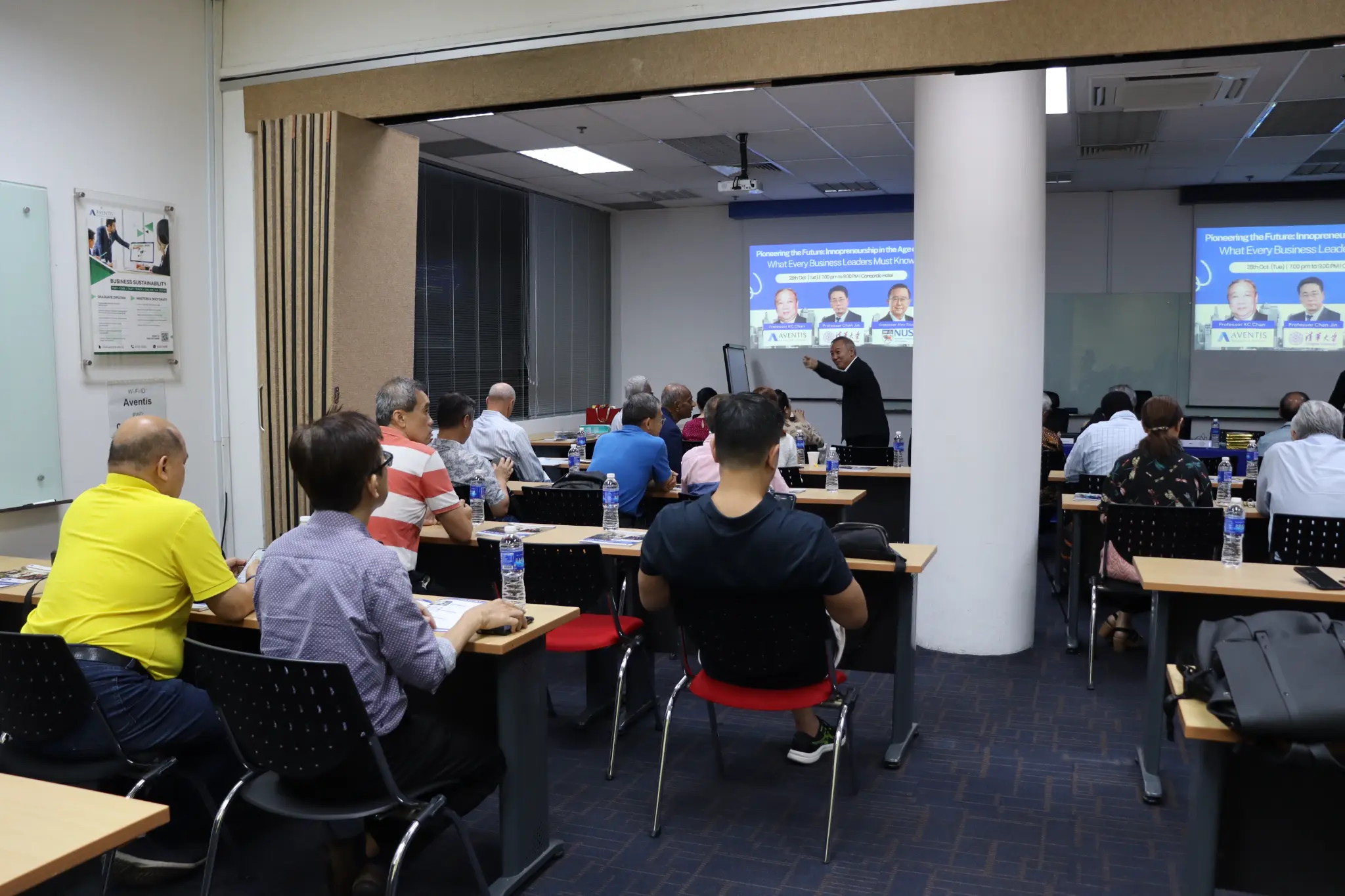
Singapore's commitment to workforce transformation reinforces the importance of continuous professional development.
In August 2025, the Infocomm Media Development Authority announced initiatives to build a more AI-fluent workforce, including opportunities for professionals in non-technical roles to acquire relevant AI knowledge.
The broader message is clear: learning should not end after obtaining a first degree or entering the workforce.
Professionals may need to update their knowledge repeatedly as technology, business models and industry requirements evolve.
A Master's degree is one of several ways to pursue this development. Short courses, professional certifications and workplace-based learning also have important roles to play.
For professionals seeking deeper academic specialisation, structured learning and broader strategic perspectives, postgraduate education may provide a suitable next step.
Can You Pursue a Master's Degree While Working?
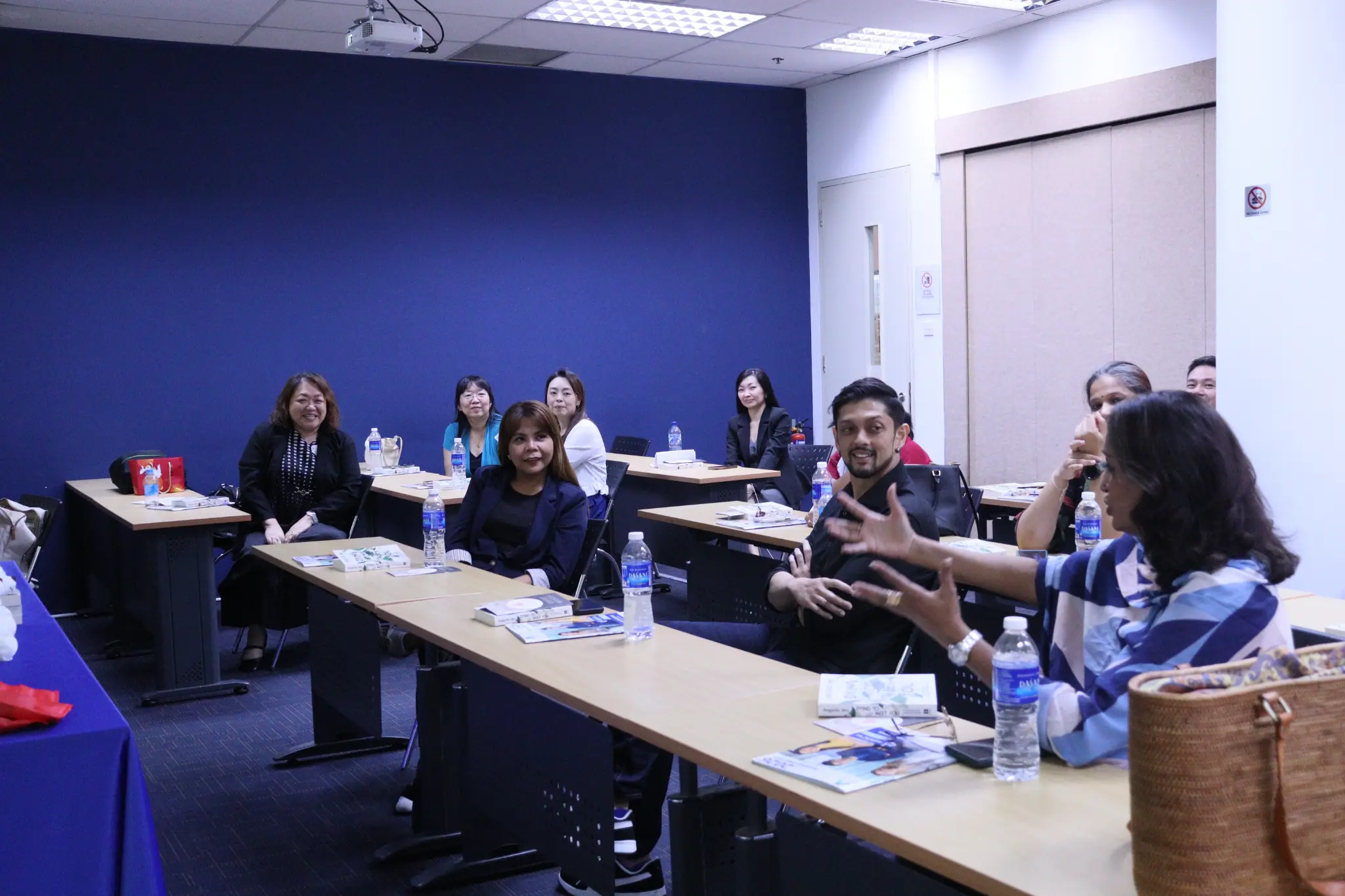
For many working professionals in Singapore, returning to education involves balancing career responsibilities, personal commitments and long-term ambitions.
Part-time postgraduate education can offer an opportunity to continue developing professionally without necessarily taking a full career break.
Studying while working may also allow professionals to connect academic concepts with challenges they encounter in their organisations.
For example, a professional studying management could explore how organisational change theories apply to an AI transformation initiative at work. Someone pursuing a specialised programme might examine industry challenges through academic research and practical projects.
This connection between learning and professional application can make postgraduate education especially relevant for experienced working adults.
Before enrolling, professionals should consider the programme curriculum, learning format, time commitment, academic requirements and alignment with their career goals. For a deeper decision framework, read Degree To Masters: A Guide To Selecting The Right Course.
So, Is a Master's Degree Still Worth It in the Age of AI?
There is no universal answer.
A Master's degree is not a guarantee of employment, promotion or higher earnings. Nor is it necessary for every professional or every career pathway.
Its value depends on the relevance of the programme, the skills acquired and how effectively those capabilities are applied.
For professionals seeking advanced subject knowledge, leadership development or a transition into more specialised responsibilities, postgraduate education can be a worthwhile investment.
The more useful question may therefore be:
What capabilities will your career require over the next five years, and how will you develop them?
As AI continues to reshape Singapore's economy, professionals who remain curious, adaptable and committed to learning will be better prepared to navigate changing workplace expectations.
Take the Next Step in Your Professional Development
The future of work is not simply about humans competing against artificial intelligence. It is about developing the knowledge, judgement and capabilities to work effectively in an increasingly AI-enabled environment.
At Aventis Graduate School, we believe continuous learning plays an important role in helping working professionals pursue their career aspirations.
Whether you are looking to deepen your expertise, strengthen your leadership capabilities or explore new professional directions, the right postgraduate education can support your next stage of professional development.
Ready to take the next step in your career?
Take the Next Step
in Your Career
Get fast, personalised guidance on WhatsApp. No pressure, no obligations — just clear advice to help you decide.
Chat on WhatsApp Now